- Articles -

Many people choose free VPNs without thinking about how they work or what dangers they pose. Yes, you need a VPN — it hides your IP address, encrypts your data, and helps bypass blocks. But not all VPNs are equally useful. What is a VPN and why do you need one? A VPN (Virtual Private Network) creates a secure “tunnel” between you and the internet. This lets you hide your activity from your ISP, hackers, and even government agencies. Your traffic goes through a remote server, and your IP is swapped for another — as if you were in another country. But the main thing is that a VPN encrypts your data. Even if someone tries to intercept your traffic, it can't be decrypted without the key. Why do people choose free VPNs? It's simple — they're free. They're easy to download, you don't have to enter payment details, and they seem to solve the problem. But that's only at first glance.
In a world where streaming video and online gaming have become part of everyday life, fast, stable, and secure internet matters. Lag in games and buffering video — that's what ruins the fun. The solution? A reliable VPN. And R-VPN handles this task brilliantly. This service not only helps you stay private online but also delivers consistent speed and access to any content. Below are five reasons why R-VPN is considered a great choice for gaming and streaming.
If you want to use Instagram in Russia again, browse stories, post, follow your favorite bloggers, and stay connected with the world — a VPN will help you. In 2026, restrictions on using Instagram still remain, but thanks to R-VPN you can bypass the blocks and gain access to the social network with ease.

In an age of digital dependence, when our every move online can be tracked, a VPN for your computer becomes not just useful but a necessary tool. A VPN — is a technology that encrypts your Internet connection and helps you bypass censorship and blocks while protecting your personal data. But here's the question: which VPN should you choose for working at a computer, and what's the difference between all these OpenVPN, WireGuard, and the rest? Let's take a detailed look.
Did you know that the list of available apps in the App Store directly depends on the region set in your Apple ID? Sometimes the most needed programs — for example, TikTok, VPN clients, or messengers — simply don't show up in the store due to regional restrictions. Fortunately, you can get around these blocks by simply changing the country in your account settings or by creating a new Apple ID with a different region. Below we'll explain how to do this and what to keep in mind.
After the social network Instagram* was blocked and banned in Russia (on March 21, 2022 it was designated an extremist organization), domestic users accustomed to its services began looking for ways to get around the ban.
A VPN kill switch is a feature that protects your Internet connection from drops and keeps it running continuously. It prevents data leaks when the connection to the VPN server is interrupted for any reason. The VPN kill switch usually turns on automatically in the VPN app's settings once the VPN connection is established. If the VPN connection suddenly drops, the VPN kill switch automatically disables your Internet connection to prevent any possibility of a data leak.
When we use a VPN (Virtual Private Network), we expect that our activity on the Internet will be anonymous and protected. However, not all VPN services are equally protected, because some may store logs (or journals) of user activity on their servers. In this article, we will look at what VPN server logs are, how they can be used, and how to check whether logs are kept on the server you use.
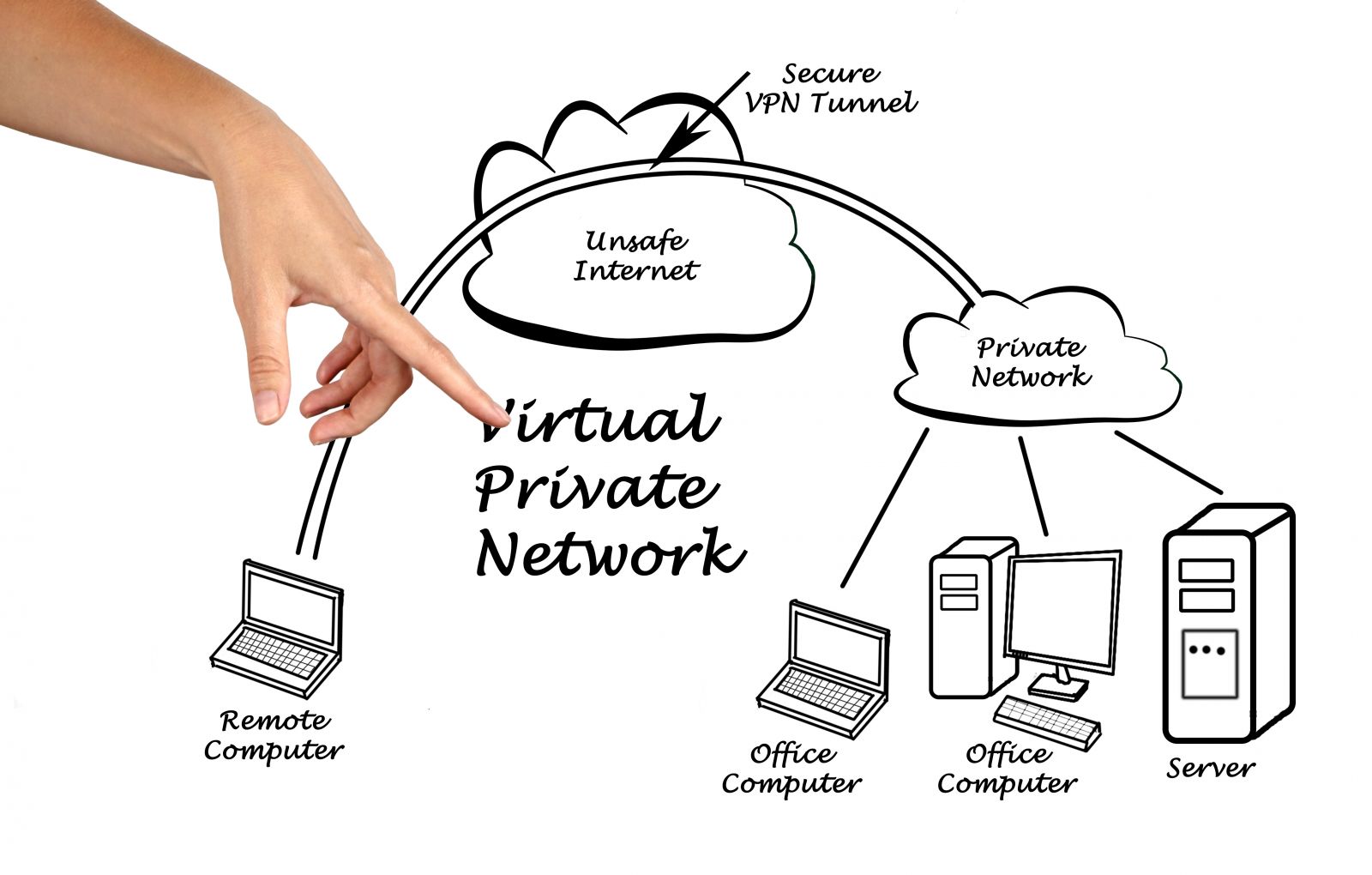
A VPN (Virtual Private Network) is a technology that makes it possible to provide a secure connection between devices over the internet. VPN connections use data encryption and tunnel configuration, which protects the transmitted information from unauthorized access. For a VPN connection to work, ports are needed that are open on the VPN server and on the VPN client.
A VPN server (Virtual Private Network Server) is a server used to establish a secure connection between a client device and a target network over the internet. With a VPN server, users can access network resources and transmit data over an encrypted channel, ensuring the confidentiality and security of the transmitted information. A VPN server works by creating an encrypted tunnel between the client device and the server, through which data is transmitted.

A VPN (Virtual Private Network) is a technology that lets you create a secure connection between devices over the internet. This virtual private network was developed to provide secure access to remote networks and resources, and its history spans more than 20 years. In this article, we will look at the stages of VPN development and the key milestones in its history.

WireGuard is a relatively new VPN protocol that was created to provide secure and efficient protection for connections on the Internet. It is simpler and faster to use than other VPN protocols such as OpenVPN or IPSec, and is therefore quickly gaining popularity among users. WireGuard uses the most modern cryptographic algorithms and protocols to protect connections, and also provides high performance. It can run on various platforms, including Linux, Windows, macOS, Android, and iOS.
SSTP (Secure Socket Tunneling Protocol) is a VPN protocol that uses SSL/TLS cryptography to secure data on the network. SSTP was developed by Microsoft and is intended for use in Windows, although it is now supported by other operating systems as well. SSTP provides encryption of the data transmitted between the client and the server, as well as authentication of the parties exchanging data. This makes it possible to use SSTP to provide secure remote access to a corporate network, access to protected resources on the Internet, and to bypass blocks and censorship on the Internet.
SoftEther VPN is a free, open-source, cross-platform VPN client and VPN server developed by the Japanese company SoftEther Corporation. SoftEther VPN makes it possible to create VPN networks based on various protocols, including SSL-VPN, L2TP/IPsec, OpenVPN, and Microsoft Secure Socket Tunneling Protocol (SSTP).
OpenVPN is a virtual private network (VPN) protocol used to provide a safe and secure internet connection. This protocol protects you from attacks and surveillance of your online activity, which makes it very popular among users who want to keep their privacy on the Internet.
IKEv2 (Internet Key Exchange version 2) is a VPN protocol used to protect data on the internet. It is one of the most secure VPN protocols and provides a high data transfer speed. IKEv2 is used for both mobile and stationary devices, and lets you establish a secure connection between two points on the network.
IPsec (Internet Protocol Security) is a protocol that secures data transfer over the internet. It is used to create a virtual private network (VPN) between two nodes over a public network. IPsec VPN lets remote users and offices connect to a corporate network over the internet, giving them access to shared resources such as files, printers and databases while also securing the data transfer.
L2TP (Layer 2 Tunneling Protocol) is one of the most widely used VPN protocols. It lets you create secure tunnels between remote computers or networks over the internet. L2TP is a combination of two protocols: L2F (Layer 2 Forwarding Protocol) and PPTP (Point-to-Point Tunneling Protocol). L2TP uses encryption to protect the data transmitted through the tunnel and provides a high degree of security.

The PPTP protocol (Point-to-Point Tunneling Protocol) is used to create virtual private networks (VPNs) over internet networks. This protocol was developed by Microsoft in the 1990s and was used as a standard for Windows-based VPN connections. PPTP is a TCP/IP-based protocol that lets you establish an encrypted connection between two remote computers over a public network such as the internet.
A virtual private network (VPN) is a technology that provides a secure, encrypted connection between your device and the internet. VPN services can hide your IP address, get around blocks and censorship, and protect your privacy and confidentiality online. Some VPN providers offer free versions of their services that require no payment and have no limits on traffic or usage time. However, like any free service, a free VPN can have its own risks and drawbacks.
Many users who update their operating system regularly have run into a situation where the VPN stops working after an update. The causes of the problem can be quite varied, but most of them can be solved on your own, without even contacting your provider. These days the most common operating system is Windows 10, and it's for Windows 10 that we offer several steps to get your VPN working again after an update.
Instagram* is one of the most popular social networks in the world, including (until March 21, 2022, when it was declared extremist) in Russia. However, because of the law banning certain internet resources in Russia, some users may run into difficulties when they try to log in to their Instagram* account. In such a situation you can use a VPN service that will help you get around the block and regain access to your account.
A VPN is an essential tool for staying safe and private online. However, you may sometimes run into problems with it on a phone running the Android operating system. Below we look at the possible causes of such problems and the ways to fix them.
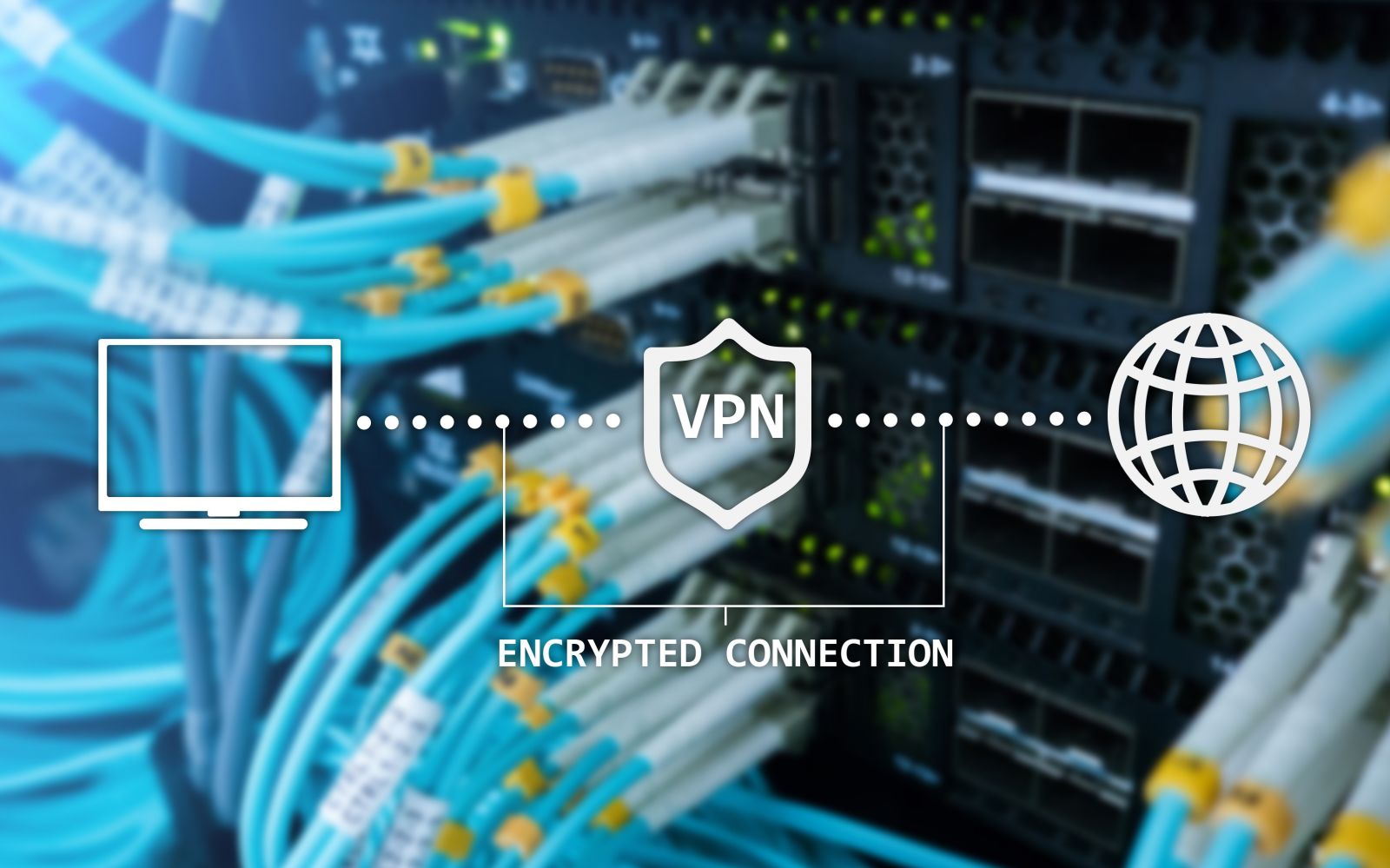
These days, when the Internet has become an integral part of life, online security is becoming more and more important. A personal VPN is one way to protect your data online, letting you create your own secure network. In this article, we will look at what you need to set up a personal VPN – renting, configuring and connecting a server, and installing and configuring the network.
Virtual private networks (VPNs) can be very useful for gamers who want to access games that are blocked in their country, or who want to improve their gaming performance and security. In this article, we will look at how to use a VPN for gaming and what benefits it can provide.
A virtual private network (VPN) lets you transfer data securely over the Internet, ensuring privacy and data protection. However, even with a VPN connection, problems can arise that interrupt the connection and cut off your access to the network. In this article, we will look at the most common problems that can occur when using a VPN and how to solve them.
A VPN (Virtual Private Network) is a technology that lets users exchange data on the Internet through encrypted channels. It helps protect them from unlawful access to their personal data and confidential information. However, some users prefer to use several VPNs for even higher security and privacy. One option for layered protection is a double VPN.

VPN (Virtual Private Network) encryption is a technology used to protect Internet traffic from unauthorized access and inspection. It helps users exchange data securely over open networks such as the Internet.
Today, many Internet users rely on virtual private networks (VPNs) to keep their online activity secure. However, not all VPN services are equally effective, and some can even put a user's security at risk. That is why it is important to know how to check the quality of the VPN service you are using. In this article, we will look at basic and advanced VPN tests, as well as leak and malware tests.
The Internet is an integral part of our lives. We use it every day to communicate with friends and family, search for information, shop and much more. However, our online activity is not always protected, which leaves us vulnerable to various kinds of cyberattacks. In this guide, we will explain what a VPN is and how to use it to protect your online activity.

A VPN (virtual private network) protocol is a set of rules and instructions that make it possible to establish a secure connection between two remote computers over public networks such as the Internet. VPN protocols protect the privacy and security of the data transmitted between computers. They work by encrypting the data, making it impossible for third parties to intercept and read. VPN protocols can be used for remote access to a local network, to stay secure on public Wi-Fi networks, to bypass Internet censorship, and more.
In this article we will examine the topic of the legality of using VPN services and the reasons they are blocked by government agencies in some countries.
The main task of any VPN service is to create a secure connection that helps you visit blocked resources. Such a connection is called a VPN tunnel, which links a specific user and a remote server. This is a fairly complex technology that requires special knowledge and equipment. If the program fails, this is a VPN connection error, which is reported to the user immediately. This message usually contains a code indicating the type of failure, which makes the further work of fixing it easier.
A VPN (Virtual Private Network) is a networking technology that creates an encrypted tunnel between the user's computer and a remote VPN server. This tunnel protects the user's data from eavesdropping and tampering on the way from the computer to the VPN server.
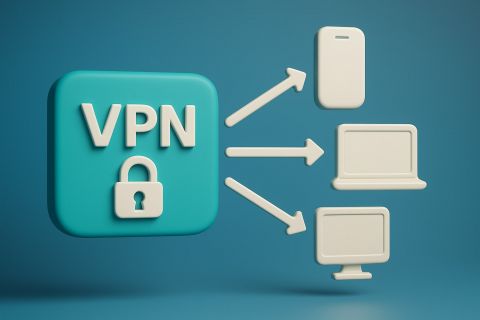
There are several ways to connect devices to a VPN through your phone. One of the simplest options is to use a mobile hotspot on your phone and connect the device to that hotspot, then set up a VPN on the phone.
To share a VPN on a PC, you need to set it up as a VPN server. This will allow other devices to connect to your network through a secure VPN connection.
A VPN (Virtual Private Network) is a tool that helps secure your internet connection by hiding your IP address and encrypting your network activity. Choosing the right service can be difficult given the large number of providers on the market. In this article we will look at how to choose a VPN, taking into account several important factors below.
One of the main tasks of a VPN service is the reliable protection of a network user's confidential data. Many specialists advise looking for providers that will not collect excessive information about the user, which could then be used in their own interests. But it is impossible to remove this component completely, so a potential client needs to know what a VPN requires in order to provide the full range of services without collecting unnecessary information in its logs.
Apple products enjoy unwavering popularity among millions of users, including for internet use. Given modern realities, protecting personal data and accessing blocked resources will require a good VPN for iPhone.
VPN for Android is a special program that allows access to blocked websites and applications from mobile devices. Its operation is based on transmitting data through special secure servers, hiding the user's real location. This allows access to restricted resources, and encrypts traffic, making its tracking practically impossible.

The need for a VPN arose after some websites and applications started to be blocked. The abbreviation stands for Virtual Private Network, which means that within the public network, a private channel is created through which data is transmitted, hidden from other observers, including the provider. Requests come from servers in different countries, allowing users to masquerade as users from those countries, thereby bypassing the ban on visiting blocked resources.

When traveling outside Russia or living abroad permanently, many users lose access to certain Russian websites and online services. As a rule, these are various government organizations (Gosuslugi, the Tax Service, mos.ru, Russian Post), classifieds boards (Avito), reference services (traffic fines, cadastral maps), banking apps, the RZD website, TV channels, online cinemas and many other services. To access such resources, people usually rely on various VPN services with a Russian IP — that is, with the ability to select Russia (RF, Russian Federation, Russia) as the «Country» parameter.

You may know that if you try to access YouTube when it is blocked, a VPN is the easiest and most reliable method helping you to unblock it, as well as any video hosting websites to watch videos without any restrictions. Let's consider how does Rocket VPN get access to YouTube and other blocked websites

It may happen that when you try to access Netflix it says “Sorry, Netflix is not available in your country yet”